Posted on 4/30/2026
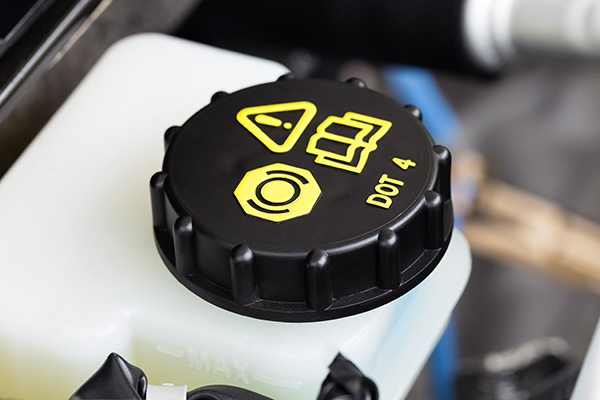
Brake fluid gets ignored because drivers cannot see it working. Pads make noise, rotors can vibrate, and tires show wear right in front of you. Brake fluid stays out of sight, so it is easy to assume it is fine as long as the car still stops. That assumption causes more trouble than people expect. Why Brake Fluid Does More Than Drivers Realize Brake fluid is what transfers force from your foot on the pedal to the braking system at the wheels. Without it, the brakes would not respond the way they should. It also has to keep doing that job under heat, pressure, and repeated stops in traffic, on hills, and during sudden braking. Once the fluid gets old, its ability to do that job cleanly starts slipping. The brake system can still work, but it may no longer feel as strong or consistent as it should. Why Old Brake Fluid Becomes A Problem Brake fluid naturally absorbs moisture over time. That is a big part of why it does not last forever. As moisture ... read more
Posted on 3/27/2026
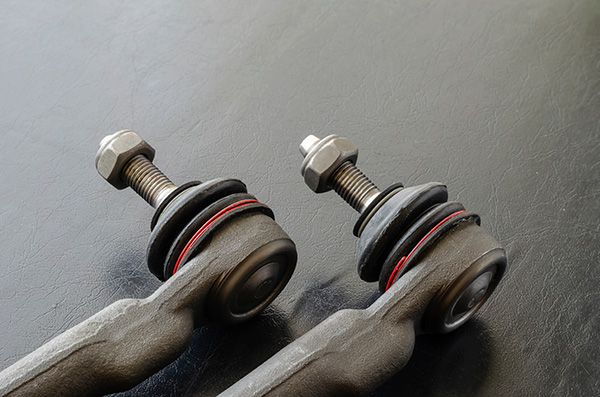
A steering wheel shake at highway speeds can be stubborn because it may come and go depending on the road, the weather, and even how long you’ve been driving. It can start as a mild buzz, then turn into a wobble that makes you back off the throttle. The frustrating part is that several different issues can feel nearly identical from the driver’s seat. The pattern behind the shake is usually the clue that matters most. When The Shake Shows Up If the shake starts around a specific speed range, then fades as you go faster or slower, that often points to a rotating imbalance somewhere. Pay attention to whether it’s steady or if it pulses like it’s coming in waves. Also, note whether it happens on smooth pavement or only on certain roads where grooves and bumps amplify it. If the shake only happens while braking, the conversation changes. That lean ... read more
Posted on 2/27/2026

Acura and Honda sit under the same corporate umbrella, so the shared DNA is real. Drivers who’ve owned both may recognize familiar controls, similar service rhythms, and a few repeating engine or transmission themes. Plenty of Acura models are built on related Honda platforms, but they rarely feel identical behind the wheel. Knowing what’s shared, and what isn’t, helps you buy smarter and avoid surprises later. Acura And Honda Platforms In car design, a platform refers to the basic structure and layout a vehicle is built around, including key mounting points and the geometry that supports steering and suspension. Sharing that foundation lets an automaker develop multiple vehicles without starting from scratch each time. It also means you’ll often see related dimensions and similar service access points across models. Even with a shared base, Acura can change subframes, mounts, or driveline layouts, and those tweaks show up in how the vehicle ... read more
Posted on 1/30/2026
A brake pedal that suddenly feels soft can make you drive like you are carrying a full cup of coffee in your lap. You leave extra space, you brake earlier, and you keep wondering if it’s your imagination. Most of the time, it isn’t. Pedal feel is one of the clearest ways your car tells you something has changed in the brake system. Why A Soft Brake Pedal Feels So Unsettling Brakes are supposed to feel predictable. You press the brake, the car slows, and you can repeat that same stop a hundred times without thinking about it. When the pedal starts going farther than normal or feels squishy, it breaks that trust right away. A soft pedal can appear gradually or after brake work, a long drive, or after the car sits for a while. Either way, the important point is this: the pedal is giving you feedback about pressure. If pressure is not building or holding the way it should, stopping distances can change. How Modern Brake Hydraulics Create Firm Pedal Feel Modern brakes are h ... read more
Posted on 12/19/2025
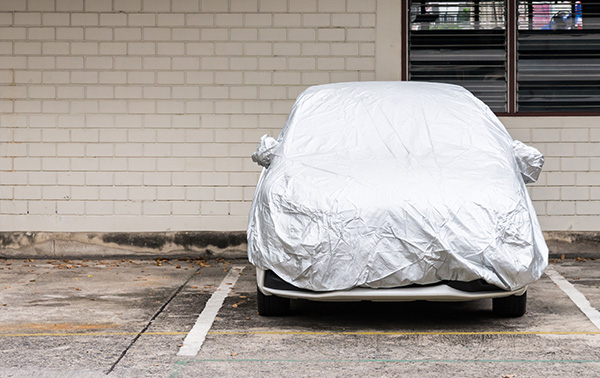
Parking a car for months at a time is harder on it than driving it regularly. Fluids age, batteries go flat, tires develop flat spots, and critters start looking at your engine bay as real estate. If you prep the vehicle properly before it sits, you can avoid a lot of headaches, leaks, and no-start problems when it is time to bring it back to life. What Counts as Long-Term Storage? Most cars handle a couple of weeks of sitting with almost no preparation. Once you get into several months, or a season or more, you are in long-term territory. At that point, the battery will likely discharge on its own, fuel can start to degrade, and tires sit in one spot long enough to take a set. How you store the car also matters. A clean, dry garage is ideal, but many vehicles have to sit in driveways or storage lots. The longer the car will be parked and the harsher the environment, the more important it is to address the basics before you lock the doors and walk away. Flu ... read more